

As a seasoned paper box supplier, I've witnessed firsthand the challenges businesses face when it comes to ensuring their paper boxes are not only aesthetically pleasing but also durable enough to withstand the rigors of shipping, handling, and storage. In this blog post, I'll share some valuable insights and practical tips on how to make a paper box more durable, drawing from my years of experience in the industry.
Choose the Right Paperboard
The foundation of a durable paper box lies in the quality of the paperboard used. When selecting paperboard, consider the following factors:
- Thickness and Weight: Thicker and heavier paperboards generally offer greater strength and durability. For boxes that will be carrying heavy items or undergoing rough handling, opt for a paperboard with a higher basis weight (measured in grams per square meter, or gsm). A paperboard with a basis weight of 250 gsm or higher is often a good choice for sturdy boxes.
- Material Composition: Different types of paperboard have varying properties. For example, corrugated paperboard consists of a fluted inner layer sandwiched between two flat outer layers, providing excellent cushioning and strength. Solid bleached sulfate (SBS) paperboard is known for its smooth surface, high printability, and good stiffness. Consider the specific requirements of your box, such as the need for cushioning, printability, or moisture resistance, when choosing the material composition.
- Quality and Grade: Not all paperboards are created equal. Look for paperboards that are made from high-quality fibers and meet industry standards. Higher-grade paperboards are typically more consistent in terms of thickness, strength, and surface quality, which can contribute to the overall durability of the box.
Optimize the Box Design
The design of the paper box plays a crucial role in its durability. Here are some design considerations to keep in mind:
- Structural Integrity: A well-designed box should have a strong and stable structure. Consider using features such as reinforced corners, double-wall construction, or additional folds and flaps to enhance the box's strength. For example, a box with a full overlap closure or a lock-tab closure can provide better protection against opening during transit.
- Proper Sizing: Ensure that the box is the right size for the product it will be holding. A box that is too large can allow the product to move around inside, increasing the risk of damage. On the other hand, a box that is too small can put excessive pressure on the product and the box itself, leading to potential breakage. Use proper sizing guidelines and consider the dimensions, shape, and weight of the product when designing the box.
- Ergonomic Design: In addition to strength, consider the ease of use and handling of the box. A well-designed box should be easy to assemble, open, and close. Incorporate features such as easy-grip handles, tear strips, or perforations to make the box more user-friendly. This can not only improve the overall durability of the box but also enhance the customer experience.
Apply Protective Coatings
Protective coatings can significantly enhance the durability of a paper box by providing additional resistance to moisture, abrasion, and other environmental factors. Here are some common types of protective coatings used in the paper box industry:
- Water-Based Coatings: Water-based coatings are a popular choice for paper boxes as they are environmentally friendly and offer good moisture resistance. These coatings can be applied to the surface of the box using a variety of methods, such as spraying, rolling, or brushing. Water-based coatings can also improve the box's printability and surface appearance.
- Wax Coatings: Wax coatings provide excellent moisture resistance and can help prevent the box from becoming soggy or damaged when exposed to water or high humidity. Wax coatings can be applied to the inside or outside of the box, depending on the specific requirements. However, wax coatings may not be suitable for all applications, as they can make the box more difficult to recycle.
- Laminates: Laminates are thin layers of material that are bonded to the surface of the paper box to provide additional strength, durability, and protection. Common types of laminates include plastic films, foil, and paperboard. Laminates can offer a range of benefits, such as improved moisture resistance, barrier properties, and printability. However, laminates can also increase the cost of the box and may not be environmentally friendly.
Reinforce the Box Edges and Corners
The edges and corners of a paper box are often the most vulnerable areas, as they are more likely to be damaged during handling and shipping. Reinforcing these areas can significantly improve the box's durability. Here are some ways to reinforce the box edges and corners:
- Corner Protectors: Corner protectors are additional pieces of material that are attached to the corners of the box to provide extra strength and protection. Corner protectors can be made from a variety of materials, such as cardboard, plastic, or foam. They can help prevent the corners from being crushed or damaged during transit.
- Edge Banding: Edge banding involves applying a strip of material, such as paper, plastic, or metal, to the edges of the box to reinforce them. Edge banding can help prevent the edges from fraying or splitting, which can weaken the box's structure.
- Reinforced Folds: Reinforced folds can be created by adding additional layers of paperboard or by using a stronger adhesive at the fold lines. This can help prevent the folds from cracking or separating, which can compromise the box's durability.
Use High-Quality Adhesives
The adhesives used to assemble a paper box play a crucial role in its durability. Using high-quality adhesives can ensure that the box stays together during handling and shipping. Here are some tips for choosing the right adhesives:
- Strength and Durability: Look for adhesives that are strong and durable enough to hold the box together under normal conditions. Consider the type of paperboard, the design of the box, and the expected handling and shipping conditions when choosing the adhesive.
- Compatibility: Ensure that the adhesive is compatible with the paperboard and any other materials used in the box. Some adhesives may not bond well with certain types of paperboard or may cause discoloration or other damage to the box.
- Environmental Considerations: If environmental sustainability is a concern, look for adhesives that are environmentally friendly and meet relevant industry standards. Water-based adhesives are often a good choice as they are less toxic and easier to recycle.
Conduct Quality Control Checks
Regular quality control checks are essential to ensure that the paper boxes meet the desired durability standards. Here are some key steps to include in your quality control process:
- Inspect the Materials: Before using the paperboard and other materials in the box production, inspect them for any defects or damage. Check for issues such as tears, holes, uneven thickness, or discoloration. Using high-quality materials is the first step in ensuring the durability of the box.
- Test the Assembly Process: During the box assembly process, conduct regular checks to ensure that the boxes are being assembled correctly. Check for proper alignment, secure bonding, and accurate folding. Any issues or defects should be addressed immediately to prevent them from affecting the durability of the finished box.
- Perform Durability Testing: Once the boxes are assembled, perform durability testing to evaluate their performance under different conditions. This can include tests such as drop testing, compression testing, and vibration testing. Durability testing can help identify any weaknesses or areas for improvement in the box design or construction.
Conclusion
Making a paper box more durable requires a combination of careful material selection, proper design, and quality manufacturing processes. By following the tips outlined in this blog post, you can significantly enhance the durability of your paper boxes and ensure that they can withstand the challenges of shipping, handling, and storage.

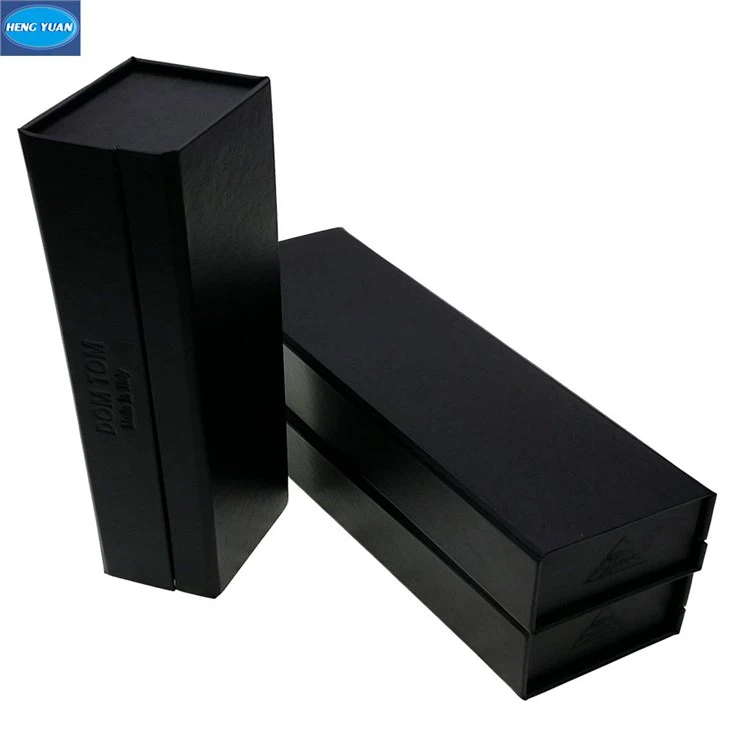
As a paper box supplier, I'm committed to providing high-quality, durable paper boxes that meet the specific needs of my customers. Whether you're looking for a Black Gift Box, a Jewelry Gift Bag and Box, or a Paper Corrugated Box, I have the expertise and resources to help you create the perfect solution.
If you're interested in learning more about our paper box products or have any questions about making your paper boxes more durable, please don't hesitate to contact me. I'd be happy to discuss your requirements and provide you with a customized solution.
References
- Smith, J. (2020). Paper Box Manufacturing: A Comprehensive Guide. New York: ABC Publishing.
- Johnson, R. (2019). The Science of Paperboard Durability. Journal of Packaging Science and Technology, 35(2), 123-135.
- Brown, A. (2018). Protective Coatings for Paper Boxes: An Overview. Packaging Technology and Science, 31(4), 211-222.
