
When it comes to chocolate, the experience starts long before the first bite. The packaging is the first point of contact with the consumer, and it plays a crucial role in setting the tone for the entire experience. As a leading supplier of Chocolate Box Packaging, we understand the importance of creating packaging that not only looks appealing but is also easy to open. In this blog post, we will explore some effective strategies to make chocolate box packaging easy to open, enhancing the overall consumer experience.
Understanding the Consumer's Perspective
Before delving into the strategies, it's essential to understand the consumer's perspective. Most consumers expect to be able to open the chocolate box quickly and effortlessly. Complicated or difficult-to-open packaging can lead to frustration and may even discourage repeat purchases. Therefore, our goal as a packaging supplier is to design packaging that is intuitive and user-friendly.
One common issue with chocolate box packaging is the use of excessive adhesives or fasteners. While these may provide a secure closure, they can also make it challenging for consumers to open the box. Another problem is the lack of clear opening instructions. Consumers should be able to understand how to open the box at a glance, without having to spend time deciphering complex diagrams or instructions.
Designing for Easy Opening
The first step in making chocolate box packaging easy to open is to focus on the design. Here are some key design considerations:
1. Simple Closure Mechanisms
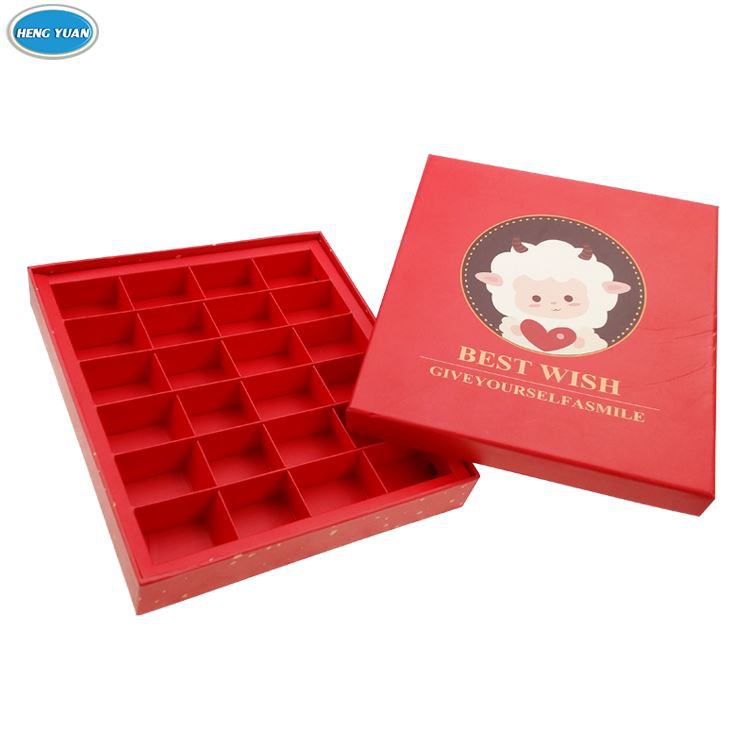
Avoid using overly complicated closure mechanisms such as multiple locks or tabs. Instead, opt for simple and intuitive closures like snap-on lids, magnetic closures, or slide-out trays. Packaging Magnet Box is an excellent example of a simple yet effective closure mechanism. The magnets provide a secure closure while allowing the consumer to open the box with a gentle tug.
2. Clear Opening Indicators
Include clear opening indicators on the packaging. This can be in the form of arrows, icons, or text instructions. Make sure the indicators are large enough to be easily visible and that they clearly show the direction in which the box should be opened. For example, if the box has a slide-out tray, use an arrow to indicate the direction of the slide.
3. Ergonomic Design
Consider the ergonomics of the packaging. The box should be easy to hold and manipulate, with smooth edges and corners. Avoid sharp edges or rough surfaces that could cause discomfort or injury to the consumer. Additionally, the size and shape of the box should be designed to fit comfortably in the consumer's hand.
4. Accessible Opening Points
Ensure that the opening points of the box are easily accessible. This means avoiding placing the opening mechanisms in hard-to-reach areas or behind other components of the packaging. For example, if the box has a lid, make sure it can be easily lifted without having to remove other parts of the packaging first.
Material Selection
The choice of materials can also have a significant impact on the ease of opening the chocolate box packaging. Here are some material considerations:
1. Flexible Materials
Use flexible materials that can be easily bent or manipulated. This can make it easier for consumers to open the box, especially if the closure mechanism requires some degree of flexibility. For example, a box made of a flexible cardboard or paperboard material may be easier to open than a box made of a rigid plastic material.
2. Smooth Surfaces
Choose materials with smooth surfaces to reduce friction and make it easier for the consumer to slide or lift the components of the packaging. Rough or textured surfaces can make it more difficult to open the box, especially if the closure mechanism relies on a smooth sliding or lifting motion.
3. Appropriate Thickness
Select materials with an appropriate thickness. Too thin of a material may not provide enough strength or durability, while too thick of a material may make the box difficult to open. The thickness of the material should be based on the size and weight of the chocolate, as well as the type of closure mechanism being used.

Testing and Feedback
Once the packaging design and materials have been selected, it's important to test the packaging to ensure that it is easy to open. Here are some testing methods:
1. User Testing
Conduct user testing with a diverse group of consumers. Observe how they interact with the packaging and ask for their feedback on the ease of opening. Pay attention to any areas where consumers struggle or have difficulty opening the box, and use this feedback to make improvements to the design.
2. Mechanical Testing
Use mechanical testing equipment to simulate the opening and closing of the packaging. This can help to identify any potential issues with the closure mechanism or the durability of the materials. For example, a mechanical tester can be used to measure the force required to open the box or to test the strength of the adhesive used in the closure.
3. Feedback Collection
Collect feedback from your customers, retailers, and other stakeholders. They may have valuable insights and suggestions for improving the ease of opening the chocolate box packaging. Use this feedback to make continuous improvements to your packaging designs.
Conclusion
Making chocolate box packaging easy to open is essential for enhancing the overall consumer experience. By focusing on the design, material selection, and testing, we can create packaging that is not only visually appealing but also user-friendly. As a leading supplier of Chocolate Box Packaging, we are committed to providing our customers with high-quality packaging solutions that meet their needs and exceed their expectations.
If you are interested in learning more about our chocolate box packaging solutions or would like to discuss your specific requirements, please do not hesitate to contact us. We look forward to working with you to create the perfect packaging for your chocolate products.
References
- Packaging Design Handbook: A Guide to Creating Successful Packaging, Second Edition by James P. Donnelly
- The Packaging Book: How to Package Products for Retail by Richard Burte
- Handbook of Package Engineering, Fourth Edition by Wilmer A. Pense