

In the world of connoisseurship, premium chocolates stand as a paragon of indulgence, a symphony of flavors meticulously crafted to delight the senses. However, the journey of a chocolate from the confectioner's hands to the consumer's palate is not just about taste; it's an experience carefully curated from the very moment the product is presented. This is where premium chocolate box packaging emerges as a silent yet powerful protagonist, setting the stage for an encounter that transcends the ordinary. As a leading Chocolate Box Packaging supplier, we are at the forefront of deciphering and shaping the design trends that define this niche.
1. Sustainability Takes Center Stage
In an era marked by heightened environmental consciousness, consumers are increasingly drawn to brands that demonstrate a commitment to sustainable practices. This shift in consumer behavior has had a profound impact on the design of premium chocolate box packaging. Sustainability is no longer a mere buzzword; it has become a core consideration for both chocolate makers and packaging designers.
One of the most significant trends in sustainable packaging is the use of eco-friendly materials. Recycled paperboard, FSC-certified cardboard, and biodegradable plastics are becoming increasingly popular choices for chocolate boxes. These materials not only reduce the environmental impact of packaging but also appeal to consumers who are looking for products that are in line with their values.
In addition to using sustainable materials, designers are also exploring innovative ways to reduce the amount of packaging used. Minimalist designs that use less material while still maintaining the integrity and functionality of the box are gaining traction. For example, some chocolate boxes are now designed with interlocking parts that eliminate the need for additional adhesives or fasteners, reducing waste and making the boxes easier to recycle.
Another aspect of sustainable packaging design is the incorporation of recyclable and compostable elements. Packaging inserts made from recycled paper or biodegradable materials can be used to protect the chocolates and add a touch of elegance to the box. Additionally, labels and printing inks that are made from natural and non-toxic materials can further enhance the sustainability of the packaging.
2. Personalization and Customization
In a crowded marketplace, where consumers are bombarded with countless options, personalization has emerged as a key strategy for brands to differentiate themselves and create a deeper connection with their customers. Premium chocolate box packaging is no exception. Customized packaging allows chocolate makers to showcase their brand identity, tell a story, and create a unique experience for their customers.
One form of personalization is the use of custom printing. High-quality digital printing techniques enable chocolate makers to print intricate designs, logos, and messages directly onto the packaging. This allows for a high degree of flexibility and creativity, allowing brands to create packaging that is truly one-of-a-kind.
Another trend in personalization is the use of custom shapes and sizes. Instead of using standard rectangular or square boxes, chocolate makers are opting for unique and eye-catching shapes that reflect the personality of their brand or the occasion for which the chocolates are being purchased. For example, heart-shaped boxes are popular for Valentine's Day, while round or hexagonal boxes can add a touch of sophistication to a luxury chocolate gift.
In addition to custom printing and shapes, packaging designers are also incorporating personalized elements such as handwritten notes, custom ribbons, and gift tags. These small touches can make a big difference in the overall experience of receiving a chocolate gift, adding a sense of warmth and thoughtfulness.
3. Luxury and Artistry
Premium chocolates are often associated with luxury and indulgence, and the packaging should reflect this. Luxury chocolate box packaging is characterized by high-quality materials, exquisite craftsmanship, and attention to detail.
One of the key trends in luxury packaging design is the use of premium materials. Velvet, satin, and leather are often used to line the interior of the boxes, adding a touch of softness and elegance. Gold and silver foiling, embossing, and debossing are also popular techniques for adding a sense of luxury and sophistication to the packaging.
Artistry is another important aspect of luxury chocolate box packaging. Many chocolate makers are collaborating with artists and designers to create packaging that is not only functional but also a work of art. These collaborations can result in unique and visually stunning packaging designs that elevate the chocolate experience to a whole new level.
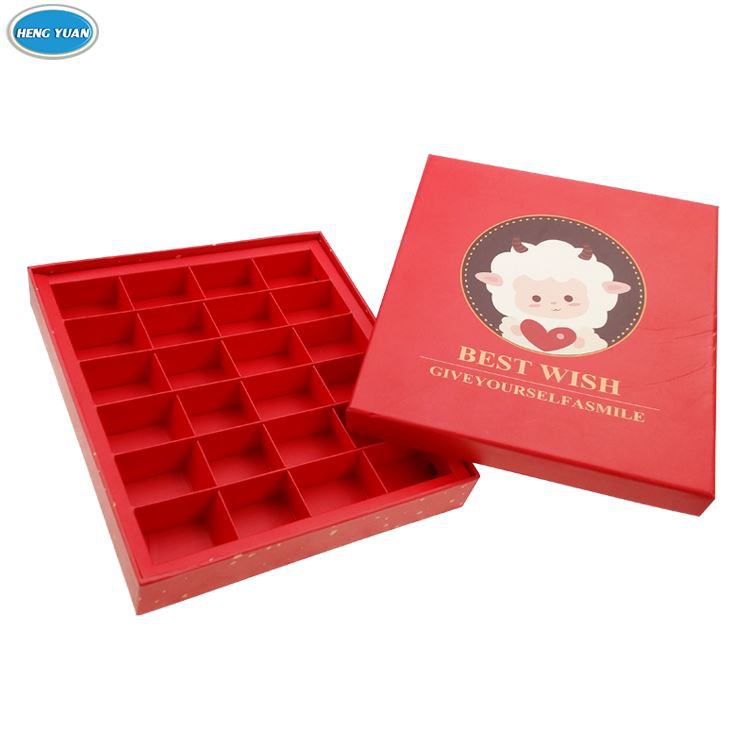
In addition to using premium materials and incorporating artistry, luxury chocolate box packaging also often includes additional features such as magnetic closures, hidden compartments, and removable trays. These features not only add to the functionality of the packaging but also enhance the overall sense of luxury and exclusivity.
4. Technology Integration
In the digital age, technology is playing an increasingly important role in every aspect of our lives, including packaging design. Premium chocolate box packaging is no exception, with designers exploring innovative ways to integrate technology into their designs.
One of the most exciting trends in technology integration is the use of augmented reality (AR). AR allows consumers to interact with the packaging in a virtual environment, adding an extra layer of engagement and entertainment. For example, a chocolate box could be designed with an AR code that, when scanned using a smartphone, brings up a 3D model of the chocolates inside, along with information about the ingredients, origin, and tasting notes.
Another trend in technology integration is the use of smart packaging. Smart packaging can include features such as temperature sensors, humidity sensors, and RFID tags. These features can help to ensure the quality and freshness of the chocolates during storage and transportation, and can also provide valuable information to consumers about the product.
In addition to AR and smart packaging, designers are also exploring the use of other technologies such as LED lights, sound effects, and interactive displays. These technologies can be used to create a more immersive and engaging experience for consumers, making the chocolate box more than just a container but also a form of entertainment.
5. Storytelling and Brand Narrative
In today's competitive marketplace, consumers are not just looking for a product; they are looking for a story. Premium chocolate box packaging provides an opportunity for chocolate makers to tell their brand story and connect with their customers on a deeper level.
One way to incorporate storytelling into chocolate box packaging is through the use of imagery and graphics. The packaging can feature illustrations, photographs, or other visual elements that tell the story of the chocolate maker's brand, the origins of the ingredients, or the inspiration behind the chocolates.
Another way to tell a story through packaging is through the use of text. The packaging can include a brand mission statement, a description of the chocolate-making process, or a personal message from the chocolate maker. These words can help to create an emotional connection with the consumer and make the chocolate more than just a treat but also a meaningful experience.
In addition to imagery and text, packaging designers are also using other elements such as colors, textures, and materials to convey the brand narrative. For example, a chocolate brand that prides itself on its traditional and artisanal approach might use earthy tones, natural materials, and rustic textures in its packaging design to evoke a sense of authenticity and heritage.
Connect for Premium Packaging Solutions
As a dedicated Chocolate Box Packaging supplier, we are passionate about helping chocolate makers bring their vision to life through innovative and sustainable packaging solutions. Whether you are looking for a classic and elegant design or a modern and cutting-edge approach, our team of experienced designers and engineers can work with you to create the perfect packaging for your premium chocolates.
If you are interested in exploring our Packaging Magnet Box options or have any other packaging needs, we encourage you to reach out to us. We would be delighted to discuss your requirements, provide you with samples, and offer you a customized solution that meets your specific needs and budget.
References

- "The Future of Packaging: Trends and Innovations" by Packaging Europe
- "Sustainable Packaging Design: Principles and Practices" by John Wiley & Sons
- "Luxury Packaging: Designing for the Premium Market" by Chronicle Books
- "Technology in Packaging: Trends and Applications" by Taylor & Francis Group
- "Storytelling in Branding: Creating Emotional Connections with Consumers" by Harvard Business Review Press
