

Hey there! As a supplier of Packaging Magnet Boxes, I often get asked about the weight limit for items in these boxes. It's a crucial question, especially when you're planning to package something valuable or heavy. So, let's dive right in and explore this topic in detail.
Understanding the Basics of Packaging Magnet Boxes
First off, Packaging Magnet Boxes are a popular choice for many businesses, especially in the gift and luxury product sectors. They offer a sleek and elegant look, and the magnetic closure adds a touch of sophistication. Whether you're packaging Chocolate Box Packaging, jewelry, or other high - end items, these boxes can make a big impression.
But the key question remains: how much weight can they actually hold? Well, it depends on several factors.
Factors Affecting the Weight Limit
1. Box Material
The material used to make the Packaging Magnet Box plays a huge role in determining its weight limit. Most commonly, these boxes are made from cardboard, paperboard, or a combination of materials with a rigid structure.
- Cardboard: Corrugated cardboard is extremely strong and can handle a fair amount of weight. It has multiple layers of paper with a fluted layer in the middle, providing excellent support. A well - constructed corrugated cardboard Packaging Magnet Box can hold anywhere from a few pounds to over 20 pounds, depending on the thickness of the cardboard. For example, a double - wall corrugated box can support heavier items compared to a single - wall one.
- Paperboard: Paperboard is thinner and lighter than cardboard. It's often used for lighter items like small chocolates, cosmetics samples, or greeting cards. A paperboard Packaging Magnet Box might have a weight limit of 1 - 5 pounds, as it's more delicate and less able to withstand heavy loads.
2. Design and Structure
The design of the box also affects its weight - bearing capacity.
- Box Size: A larger box might seem like it can hold more, but in reality, it also needs to have a proper structure to distribute the weight evenly. A very large and shallow box might buckle under the weight if it's not reinforced. On the other hand, a smaller, more compact box with a well - designed structure can sometimes hold more weight relative to its size.
- Reinforcements: Some Packaging Magnet Boxes come with additional reinforcements, such as extra layers of material at the bottom, sides, or corners. These reinforcements can significantly increase the weight limit. For instance, a box with a reinforced bottom can support heavier items without the risk of the bottom collapsing.
3. Magnetic Strength
The strength of the magnets used in the closure is another important factor. If you're putting a heavy item in the box, the magnets need to be strong enough to keep the box closed.
- Weak Magnets: If the magnets are too weak, the box might not stay shut, and the item inside could fall out. This is especially a concern when transporting the box.
- Strong Magnets: High - quality, strong magnets can hold the box securely, even if the item inside is relatively heavy. However, there's also a trade - off, as very strong magnets can be more expensive, and they need to be properly installed in the box.
Typical Weight Limits for Different Types of Products
Now, let's take a look at some common products and the typical weight limits for Packaging Magnet Boxes used for them.
1. Chocolate Boxes
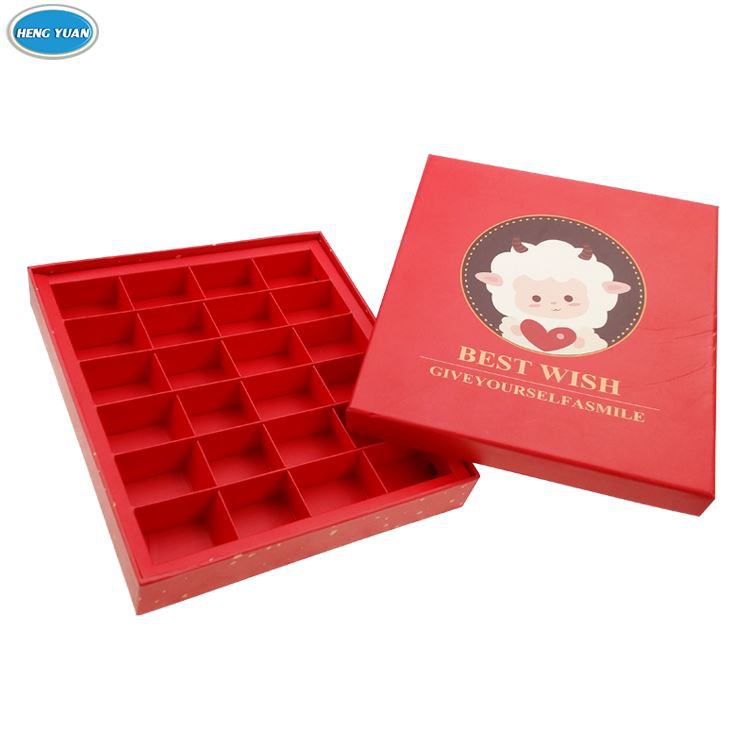
Chocolate Box Packaging usually involves relatively light items. A standard chocolate box might hold a few ounces to a pound of chocolates. A paperboard or thin cardboard Packaging Magnet Box is usually sufficient for this purpose. The weight limit for a typical chocolate box would be around 1 - 2 pounds, considering not only the weight of the chocolates but also any additional packaging like tissue paper or a small card.
2. Jewelry Boxes
Jewelry is generally very light, often weighing just a few grams to a few ounces. A small, delicate paperboard Packaging Magnet Box is perfect for jewelry. It can easily hold a piece of necklace, bracelet, or a couple of rings. The weight limit for a jewelry Packaging Magnet Box is usually less than a pound, typically around 4 - 8 ounces.
3. Electronics
For electronics, the weight can vary widely. A small electronic device like a smartwatch or a pair of earbuds might weigh a few ounces, while a larger tablet or a small laptop can weigh several pounds. If you're using a Packaging Magnet Box for electronics, you'll need to choose a box made from stronger materials like corrugated cardboard. The weight limit for a well - constructed cardboard box for electronics can range from 2 - 10 pounds, depending on the size and structure of the box.
Testing the Weight Limit
As a Packaging Magnet Box supplier, we always recommend testing the boxes with the specific items you plan to package. This way, you can ensure that the box can handle the weight and that the magnets will keep the box closed.
- You can start by placing the item in the box and gently shaking it to simulate normal handling.
- If possible, try stacking the boxes to see how they perform under additional pressure. This is especially important if the boxes will be stored or transported in a stacked manner.
Why Choose Our Packaging Magnet Boxes
At our company, we take pride in providing high - quality Packaging Magnet Boxes. We use only the best materials and state - of - the - art manufacturing processes to ensure that our boxes have the right weight limit for your needs.

- We offer a wide range of box sizes and materials, so you can choose the perfect one for your product.
- Our team of experts can also help you determine the best box for your specific item and provide guidance on any customizations you might need.
Contact Us for Your Packaging Needs
If you're in the market for Packaging Magnet Boxes and want to discuss your requirements, don't hesitate to reach out. We're here to help you find the ideal packaging solution for your products. Whether you need a small batch for a special event or a large - scale order for your business, we've got you covered.
References
- Packaging Materials Handbook, Third Edition by Daniel W. Green and William A. Schultheis
- The Packaging Institute's Guide to Packaging Design and Engineering
