

Hey there! I'm a supplier of Chocolate Box Packaging, and I know that getting the right dimensions for custom chocolate box packaging is super important. It can make or break the presentation of your delicious chocolates. So, let's dive into how you can measure the dimensions for that perfect custom chocolate box.
Why Measuring Dimensions Matters
First off, why is it so crucial to measure the dimensions correctly? Well, if the box is too small, your chocolates won't fit, and they might get squished, which is a total bummer. On the other hand, if the box is too big, the chocolates will move around inside, and it won't look as professional. Plus, the right dimensions ensure that the packaging is cost - effective. You don't want to waste money on extra materials when you don't need to.
Measuring the Chocolates
The first step is to measure the chocolates themselves. You'll need to measure the length, width, and height of a single chocolate piece. Use a ruler or a caliper for the most accurate measurements. If your chocolates come in different shapes and sizes, measure the largest ones to make sure they all fit comfortably.

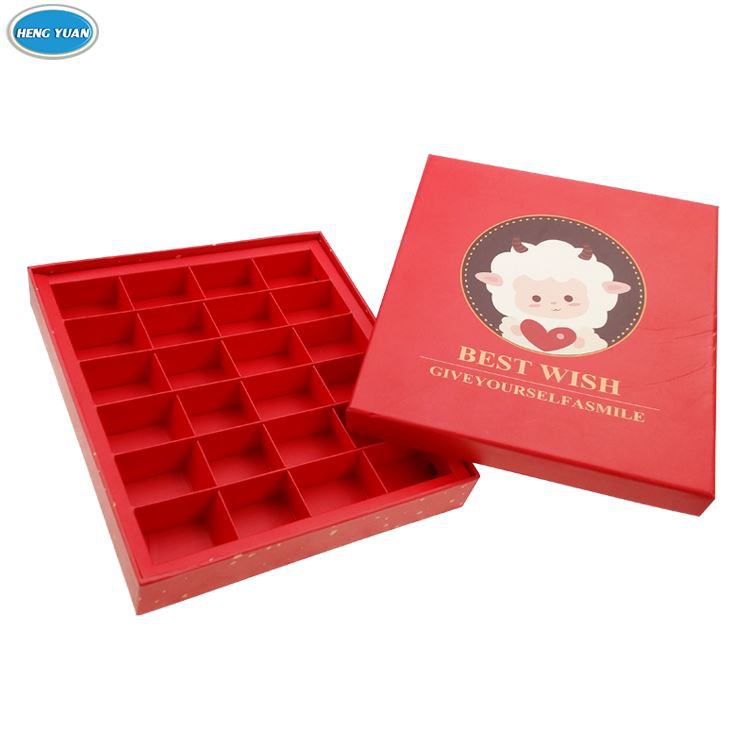
Let's say you have a rectangular chocolate. Place it on a flat surface and measure the longest side for the length, the shorter side for the width, and the thickness for the height. Write down these measurements. If your chocolates are round, measure the diameter (the distance across the widest part) and the height.
If you're planning to pack multiple chocolates in one box, you'll also need to consider how they'll be arranged. For example, if you're stacking them, you'll need to account for the additional height. If you're placing them side by side, you'll need to add up the widths.
Accounting for Padding and Insertions
Chocolates are delicate, and you want to protect them during shipping and handling. That's where padding and insertions come in. You might use foam, cardboard dividers, or other materials to keep the chocolates in place.
Measure the thickness of the padding or insertions you plan to use. If you're using a foam insert, for example, measure its height, width, and length. Add these measurements to the dimensions of the chocolates. This will give you the internal dimensions of the box.
Determining the External Dimensions
Once you have the internal dimensions, you need to think about the external dimensions of the box. The box itself has a certain thickness. Most cardboard boxes have a thickness that ranges from a few millimeters to a centimeter or more, depending on the quality and type of cardboard.
Measure the thickness of the cardboard you'll be using for the box. Then, add this thickness to the internal dimensions on all sides. For example, if the internal length of the box needs to be 10 cm and the cardboard is 0.5 cm thick, the external length will be 10 + 0.5 + 0.5 = 11 cm (you add the thickness on both the front and back sides).
Considering the Type of Box
There are different types of chocolate boxes, like Packaging Magnet Box. The type of box you choose can also affect the dimensions.
For a magnet box, you need to account for the space that the magnets will take up. Magnets usually add a little bit of thickness to the box. Measure the thickness of the magnets and add it to the overall dimensions.
If you're using a hinged box, you'll need to make sure there's enough space for the hinge to move freely. This might mean adding a little extra width or height to the box.
Testing and Adjusting
After you've calculated the dimensions, it's a good idea to make a prototype. You can use some scrap cardboard to create a rough version of the box. Place your chocolates and padding inside to see if they fit.
If the box is too small, you'll need to go back and adjust the dimensions. Maybe you didn't account for enough space for the padding or the chocolates are a bit bigger than you thought. If the box is too big, you can reduce the dimensions to save on materials and make the box look more compact.
Working with a Supplier
As a Chocolate Box Packaging supplier, I'm here to help you through this process. If you're not sure how to measure the dimensions or you're having trouble with the calculations, just reach out. We've got the experience and expertise to guide you.
We can also provide you with samples of different box materials and styles so you can see how they work with your chocolates. And if you need any customizations, like special printing or unique shapes, we can handle that too.
Conclusion
Measuring the dimensions for custom chocolate box packaging might seem a bit tricky at first, but with the right steps, it's totally doable. Remember to measure your chocolates accurately, account for padding and insertions, consider the type of box, and test your prototype.
If you're interested in getting high - quality custom chocolate box packaging, don't hesitate to get in touch. We're here to make sure your chocolates look amazing and are well - protected. Let's work together to create the perfect packaging for your delicious treats!
References
- Packaging Design Handbook: Best Practices for Designing Effective Packaging
- The Chocolate Confectionery Handbook: Production and Technology
