When it comes to chocolate, the packaging is more than just a container; it's an essential part of the customer experience. As a trusted Chocolate Box supplier, we understand the significance of using the right packaging materials to protect and showcase these delectable treats. In this blog post, we'll explore the various packaging materials commonly used for chocolate boxes and their unique characteristics.
Cardboard
Cardboard is one of the most popular materials for chocolate box packaging. It is versatile, lightweight, and cost - effective, making it an ideal choice for both small and large - scale chocolate producers.
There are different types of cardboard available. Corrugated cardboard, for example, offers excellent strength and durability. It consists of three layers: an inner fluted layer between two flat outer layers. This structure provides cushioning, which is crucial for protecting chocolates during transit. We often recommend corrugated cardboard for larger chocolate gift sets or when shipping chocolates over long distances.
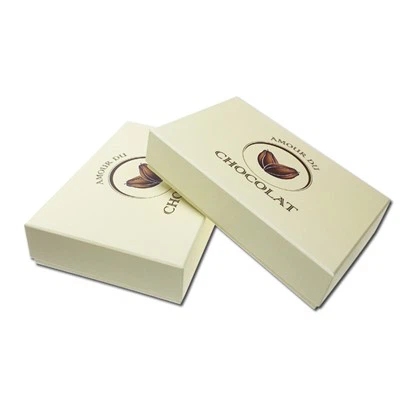
Folding carton cardboard is another widely used option. It is thinner and more flexible than corrugated cardboard, making it perfect for creating a variety of box shapes and styles. The smooth surface of folding carton cardboard also allows for high - quality printing, enabling us to add attractive designs, logos, and product information. Whether it's a simple single - chocolate box or an elaborate multi - chambered gift box, folding carton cardboard gives us the freedom to design according to the brand's needs. For more information on our cardboard chocolate box offerings, visit Chocolate Box Packaging.
Paper
Paper is a classic material for chocolate packaging. It can be used in different forms, such as wrapping paper, tissue paper, or paperboard inserts.
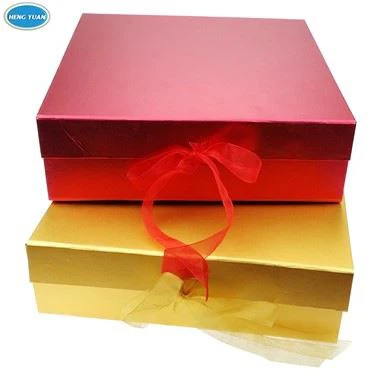
Wrapping paper is an excellent way to add an extra decorative touch to chocolate boxes. It comes in a wide range of colors, patterns, and textures, allowing us to create a unique look for each brand. Metallic papers, for instance, give a luxurious and festive feel, making them suitable for special occasions like Christmas or Valentine's Day.
Tissue paper is often used inside chocolate boxes to provide a soft cushioning layer and to enhance the visual appeal. It can be used to separate individual chocolates or to fill the empty spaces in the box. We can choose from a variety of tissue paper colors to match the overall packaging theme.
Paperboard inserts are customized pieces that help keep the chocolates in place and organized. They can be cut into different shapes and sizes to fit the chocolates precisely. This not only protects the chocolates from damage but also makes the presentation more aesthetically pleasing.
Plastic
Plastic materials are also commonly used in chocolate box packaging due to their transparency, flexibility, and moisture - resistant properties.
Clear plastic trays are frequently used to hold individual chocolates. They allow customers to see the chocolates inside, which is a great marketing advantage. The trays can be molded into various shapes to accommodate different chocolate sizes and designs, such as round, square, or heart - shaped chocolates.
Plastic films can be used as a sealant for chocolate boxes. They provide a barrier against moisture, oxygen, and light, which helps to preserve the freshness and flavor of the chocolates. Shrink - wrap plastic is a popular choice as it conforms tightly to the shape of the box when heated, creating a secure and professional - looking seal.
However, it's important to note that the environmental impact of plastic has been a growing concern. As a responsible supplier, we are constantly exploring more sustainable plastic alternatives, such as biodegradable or recyclable plastics.
Wood
Wooden chocolate boxes offer a high - end and luxurious packaging solution. They are often associated with premium and artisanal chocolates.
Solid wood boxes, such as those made from oak or cherry, have a natural and warm appearance. They can be hand - crafted with intricate details, adding a touch of elegance to the chocolates. Wooden boxes also provide good insulation, which helps to maintain the temperature of the chocolates.
Plywood or veneered wood boxes are more cost - effective alternatives. They have a similar look to solid wood boxes but are made with multiple layers of wood or a thin layer of wood veneer over a less expensive core material. These boxes can still be customized with engraving or painting to create a unique brand identity. For a unique wooden - style option, check out our Packaging Magnet Box, which combines the charm of wood - like aesthetics with the functionality of a magnetic closure.


Metal
Metal packaging is another option for chocolate boxes, especially for high - end and limited - edition chocolates.
Tinplate is a commonly used metal material. It is lightweight, durable, and can be easily shaped into different box designs. Tinplate boxes can be printed with high - quality graphics, making them visually appealing. They also provide good protection against moisture, oxygen, and light, ensuring the long - term freshness of the chocolates.
Aluminum is another metal that is sometimes used in chocolate packaging. It is lightweight, corrosion - resistant, and has excellent heat - conductivity properties. Aluminum foil can be used as an inner liner for chocolate boxes to provide an additional barrier against external elements.
Glass
Glass is a premium packaging material that offers a clear view of the chocolates and a sense of elegance.
Glass jars can be used to store chocolates, especially for single - serve or small - quantity chocolates. They are easy to clean and reuse, which is an environmentally friendly aspect. The transparency of glass allows customers to appreciate the appearance of the chocolates, and the smooth surface can be easily decorated with labels or stickers.
However, glass is heavier and more fragile than other materials, which can increase shipping costs and the risk of breakage. Therefore, it is often used for high - end and local - market chocolates.
Considerations When Choosing Packaging Materials
As a Chocolate Box supplier, we take several factors into account when recommending packaging materials to our clients.
Product Protection: The primary function of the packaging is to protect the chocolates from damage, moisture, oxygen, light, and temperature variations. We need to choose materials that can provide the necessary level of protection based on the type of chocolates, the storage conditions, and the shipping methods.
Brand Image: The packaging should reflect the brand's image and values. Premium brands may prefer high - end materials like wood or metal, while more budget - friendly brands may opt for cardboard or paper. The colors, designs, and printing quality also play a crucial role in creating a consistent brand identity.
Cost: Cost is always an important consideration. We need to balance the desire for high - quality packaging with the budget constraints of our clients. Different materials have different costs, and we work with our clients to find the most cost - effective solution without compromising on quality.
Environmental Impact: In today's world, environmental sustainability is a major concern. We are committed to offering packaging solutions that are eco - friendly. This includes using recyclable, biodegradable, or compostable materials whenever possible.
Conclusion
Choosing the right packaging materials for chocolate boxes is a complex decision that involves considering multiple factors. As a Chocolate Box supplier, we are dedicated to providing our clients with a wide range of packaging options to meet their specific needs. Whether it's the classic charm of cardboard, the luxury of wood, or the transparency of glass, we have the expertise and resources to create the perfect packaging for your chocolates.
If you're interested in discussing your chocolate box packaging needs, we'd love to hear from you. Our team of experts can work with you to design and produce packaging that not only protects your chocolates but also enhances your brand image. Contact us today to start a conversation about your next chocolate box packaging project.
References
- Packaging Material Handbook, Third Edition by Daniel W. Green
- The Wiley Encyclopedia of Packaging Technology, Second Edition by Rosato's Plastics Encyclopedia and Dictionary